
Guide to Setting Up and Furnishing Your First Home
Introduction
Getting the keys to your first home is one of those moments you do not forget. And then, usually within the same week, reality sets in. There are decisions to make at every turn, tradespeople to coordinate, and a budget that seems to shrink the moment you start pricing things out.
The good news is that setting up a home becomes significantly less overwhelming when you have a clear order of operations. This checklist walks you through each room, what to prioritise, and why the sequence you do things in matters just as much as the decisions themselves.
Before You Start Furnishing
There is a group of tasks that should always happen before anything goes into the home. Skipping these or doing them out of order is one of the most common and costly mistakes first-time homeowners make.
Walls and ceilings should be painted before the flooring goes down. Drips and overspray on new flooring are difficult to fix and unnecessary to deal with if you plan ahead. Similarly, any hacking, drilling, or structural work needs to happen before flooring installation, not after.
This is also the right stage to consider wall treatments beyond paint. Fluted wall panels and wainscoting have become increasingly popular in Malaysian homes for adding texture, depth, and architectural character to a space without the cost of full renovation. Both are best installed before furniture arrives, since access to the full wall surface makes the installation cleaner and faster. Deciding on these early also helps inform your furniture choices later, particularly in the bedroom and living room, where wall treatments directly affect how the space is styled.
Electrical and plumbing checks are worth doing at this stage too. If there are any issues, it is far easier and cheaper to address them before the home is furnished and finished.
For larger homes such as bungalows, or more involved renovations, it is worth bringing an interior design and build team into the process early. A professional team can help coordinate space planning, built-ins, lighting, materials, and renovation work before finishes and furniture are finalised.
With that groundwork out of the way, flooring is the next major decision.
Choosing Your Flooring First

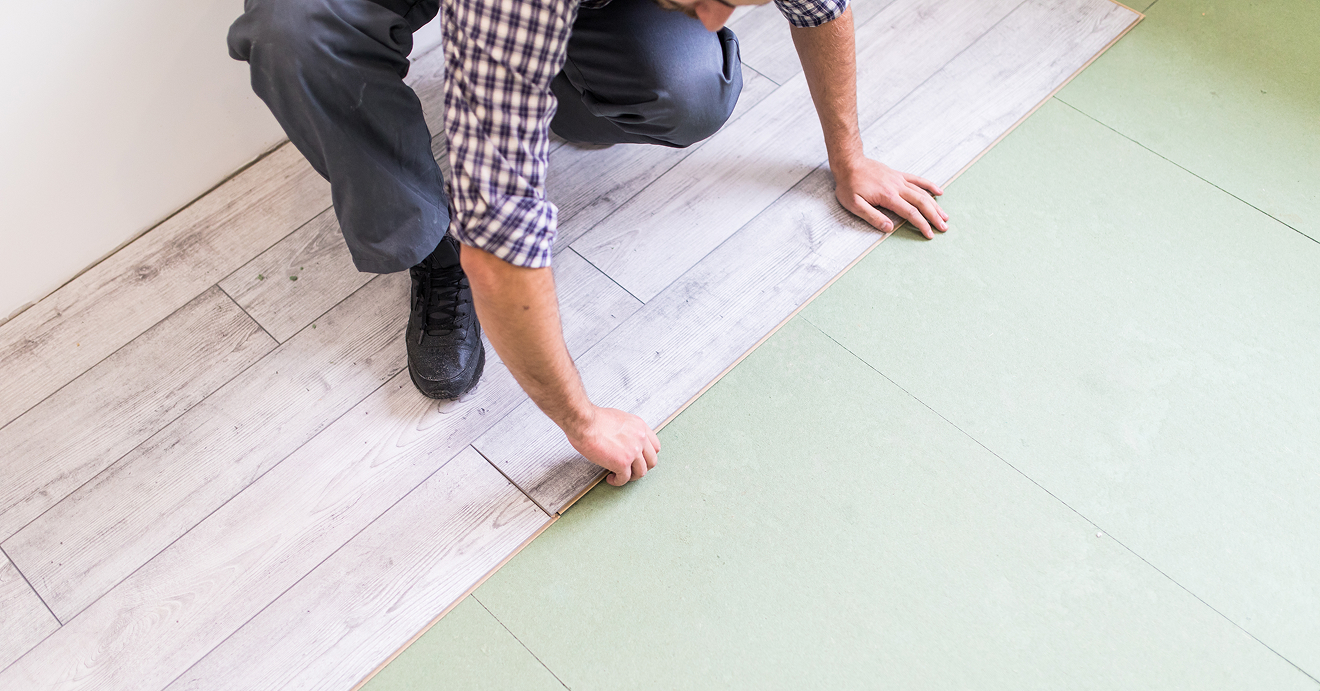
Flooring is the foundation that everything else is built on, both literally and visually. The tone, texture, and material you choose will influence your furniture choices, your colour palette, and how each room feels day to day.
A common question first-time homeowners ask is whether every room needs different flooring. The short answer is no. Using the same flooring material throughout your main living areas, the living room, bedrooms, and common areas, creates a cohesive, seamless look and avoids awkward transitions between materials. Where variation genuinely makes sense is between wet and dry areas. Bathrooms and kitchens have different functional requirements from the rest of the home, and choosing a material suited to moisture and water exposure in those spaces is a practical decision rather than a stylistic one.
In Malaysia’s climate, a few things are worth keeping in mind when choosing flooring:
1. Humidity is a constant factor.
Materials that absorb moisture or warp under humidity will cause problems over time, regardless of how well they look at the point of installation. SPC flooring has become one of the more popular choices for Malaysian homes precisely because it handles humidity well, resists moisture, and is significantly more durable than traditional laminate under tropical conditions.
2. Maintenance matters more than most people expect.
A flooring material that requires specialist cleaning products or regular refinishing adds ongoing cost and effort. Easy-to-clean surfaces make a real practical difference in a home you are actually living in.
3. Comfort underfoot is often overlooked.
Hard flooring options vary significantly in how they feel to walk on. A good underlay makes a noticeable difference, particularly in bedrooms where you are walking barefoot.
4. Traffic patterns differ by room.
High-traffic areas like entryways, living rooms, and kitchens benefit from more durable surfaces than bedrooms or study rooms. Choosing accordingly rather than using the same product specification throughout can save cost without compromising on quality where it matters most.
Once flooring is decided and installed, you have the base you need to start making furniture and styling decisions, room by room.
Setting Up Your Living Room
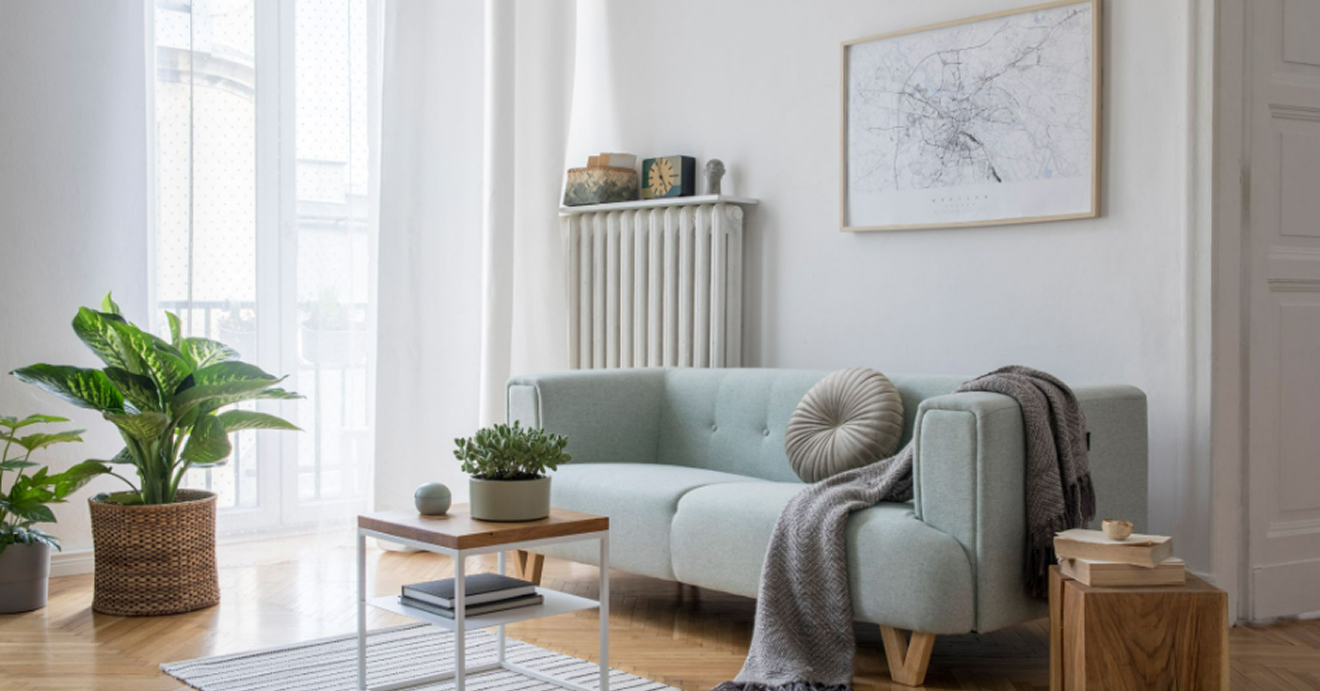
The living room is usually the first space visitors see and the room where most daily activities happen. It is worth getting right, but it does not need to be completed all at once.
Before bringing in furniture, consider whether you want a feature wall. In Malaysian condominiums and apartments, fluted wall panels installed behind the TV console or sofa wall have become one of the more popular ways to add visual depth and a sense of intentional design without major renovation work. They work particularly well in living rooms with neutral flooring tones, where the added texture of the panels creates contrast without requiring bold colour choices. Installing this before the furniture goes in gives the installation team full access to the wall and results in a cleaner finish.

Start with the sofa, as it anchors the entire room, and everything else is arranged around it. Before choosing one, measure the space carefully, including doorways and corridors the sofa needs to pass through during delivery. Many first-time buyers discover too late that their chosen sofa does not fit through the entrance.
Consider how the room will actually be used day to day. A household that entertains regularly has different needs from one that primarily uses the living room for relaxing in the evening. Sectional sofas work well for larger families and social households, while compact two or three seaters suit apartments and more minimal layouts.
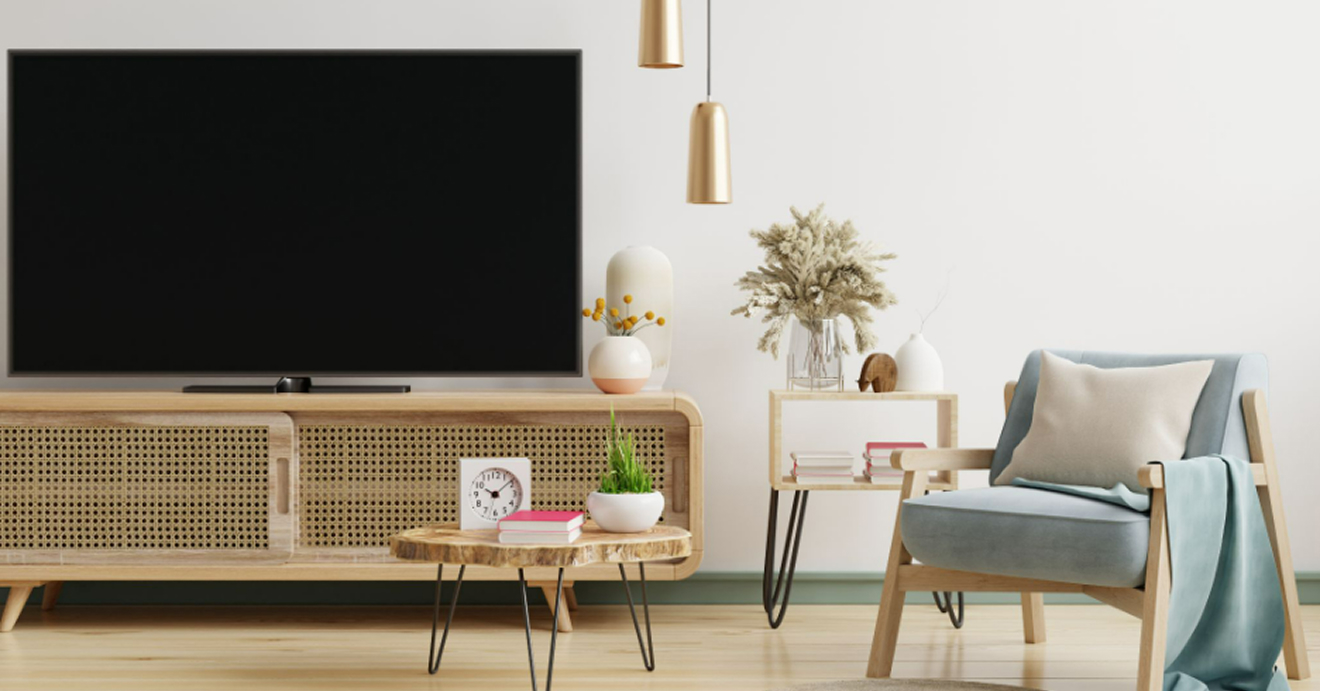
A TV console or media unit is the next practical consideration. Built-in storage helps manage the clutter that accumulates in living spaces, keeping remotes, cables, and everyday items out of sight without requiring separate storage furniture.
Coffee tables and side tables round out the essentials. Opt for pieces that leave enough walking clearance around the sofa and do not make the room feel crowded. In smaller living rooms, especially, less is more.
Lighting is often left as an afterthought, but it makes a significant difference to how the room feels in the evening. Layering a floor lamp with ambient overhead lighting creates a warmer, more liveable atmosphere than a single ceiling fixture.
Setting Up Your Bedroom
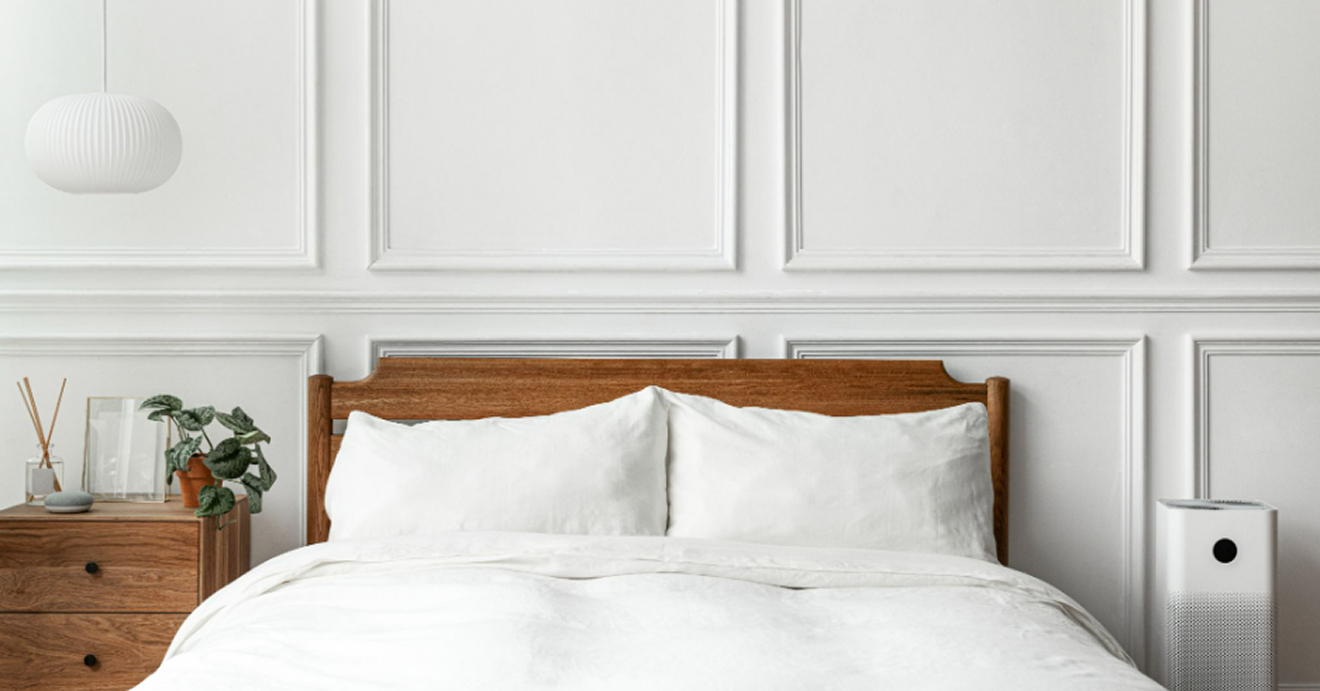
The bedroom is the room that most directly affects your daily quality of life, yet it is frequently under-budgeted compared to the living room. A good night’s sleep starts with the right setup.
If you are considering a feature wall in the bedroom, behind the headboard is the most common and effective placement. Wainscoting works particularly well in this context, adding architectural character and a sense of quiet luxury without overwhelming the room. It grounds the bed visually and creates a cohesive backdrop that makes even a simply furnished bedroom feel considered and complete. As with living room wall treatments, install this before the bed and furniture go in for the cleanest result.

The bed is the most important purchase in the room. Choose the size based on your room dimensions first, then your preference. A king-sized bed in a room that only just fits it will feel cramped and make daily movement around the space uncomfortable. Leave at least 60 centimetres of clearance on the sides you access regularly.
The mattress deserves as much attention as the bedframe, if not more. Comfort preferences vary significantly between individuals, so where possible, testing in person before buying is worth the extra effort.
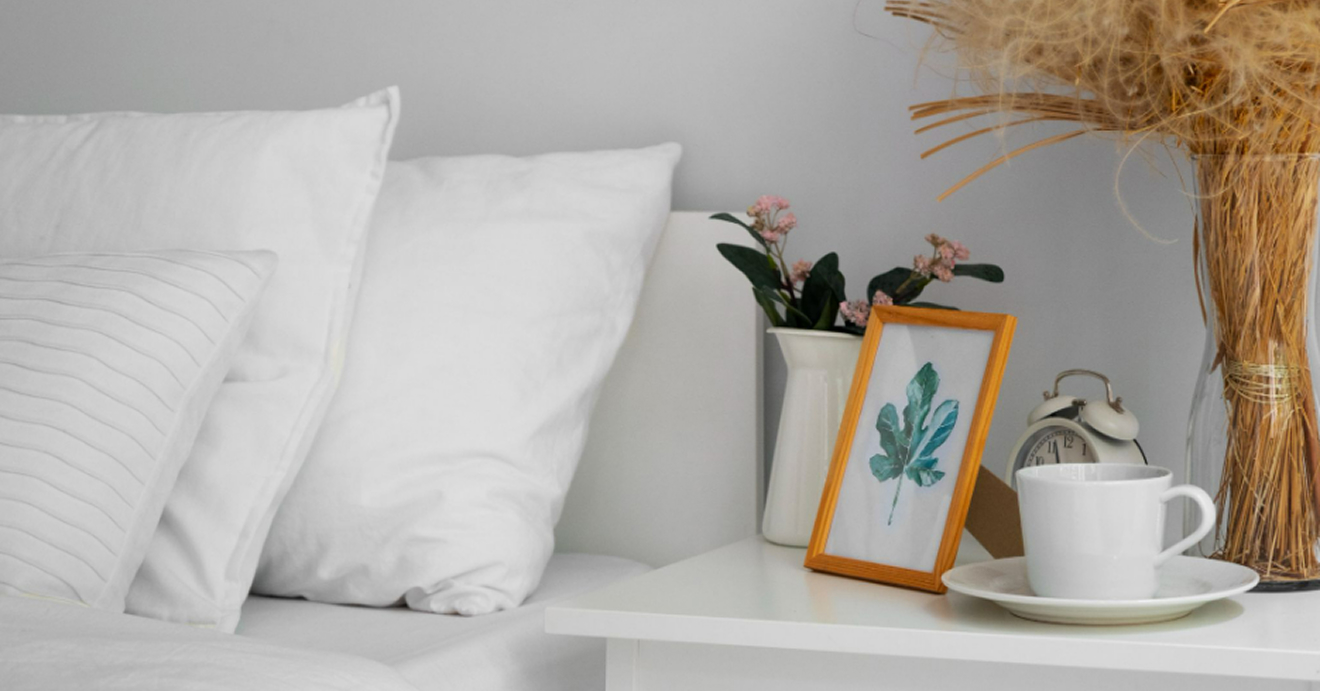
Bedside tables on both sides of the bed make practical use of the space while keeping essentials within reach. Storage is worth prioritising in the bedroom, particularly in apartments and condominiums where space is limited. Beds with built-in drawers, wardrobes with efficient internal layouts, and drawer units all help manage clothing and daily items without requiring additional furniture.
Curtains or blackout blinds are worth installing properly from the start rather than making do with temporary solutions. Quality of sleep is directly affected by light exposure, and getting window treatments right early saves the effort of redoing them later.
Setting Up Your Kitchen and Dining Area
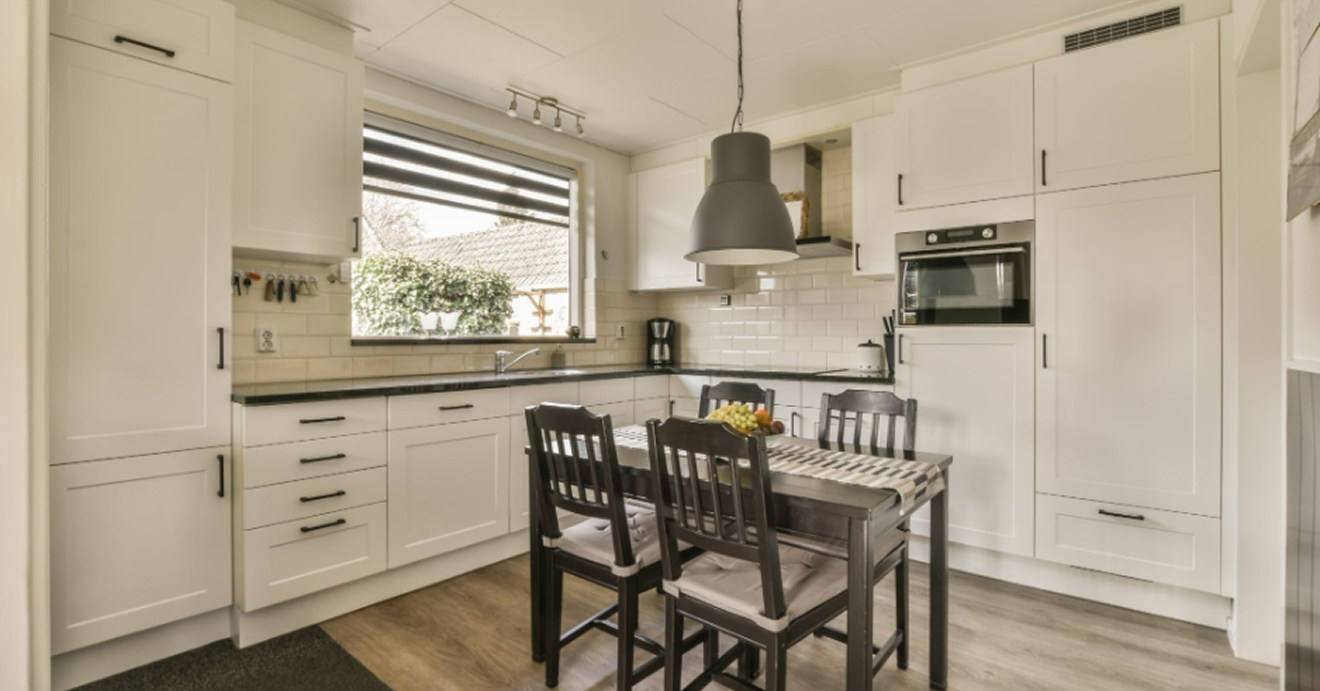
In Malaysian homes, particularly apartments and condominiums, the kitchen and dining area often share the same open space. Keeping the layout functional is the priority here.
For flooring in the kitchen, a moisture-resistant option is important given the exposure to water and cooking spills. Vinyl flooring is a practical choice for kitchen areas, offering easy cleaning, water resistance, and a softer feel underfoot compared to tiles during long periods of standing.
Check that appliances are in working order and that the kitchen has sufficient storage for your actual cooking habits before buying additional organising products. Many first-time buyers overcomplicate kitchen storage with purchases they do not end up using.
For the dining area, choose a table size that suits both daily use and the occasional larger gathering. Round tables work well in compact spaces as they improve flow and remove sharp corners that can make a small dining area feel tight.
Dining chairs should be comfortable enough for meals that last more than a few minutes. If the dining area doubles as a work-from-home space, ergonomic support becomes more important.
Setting Up Your Bathroom
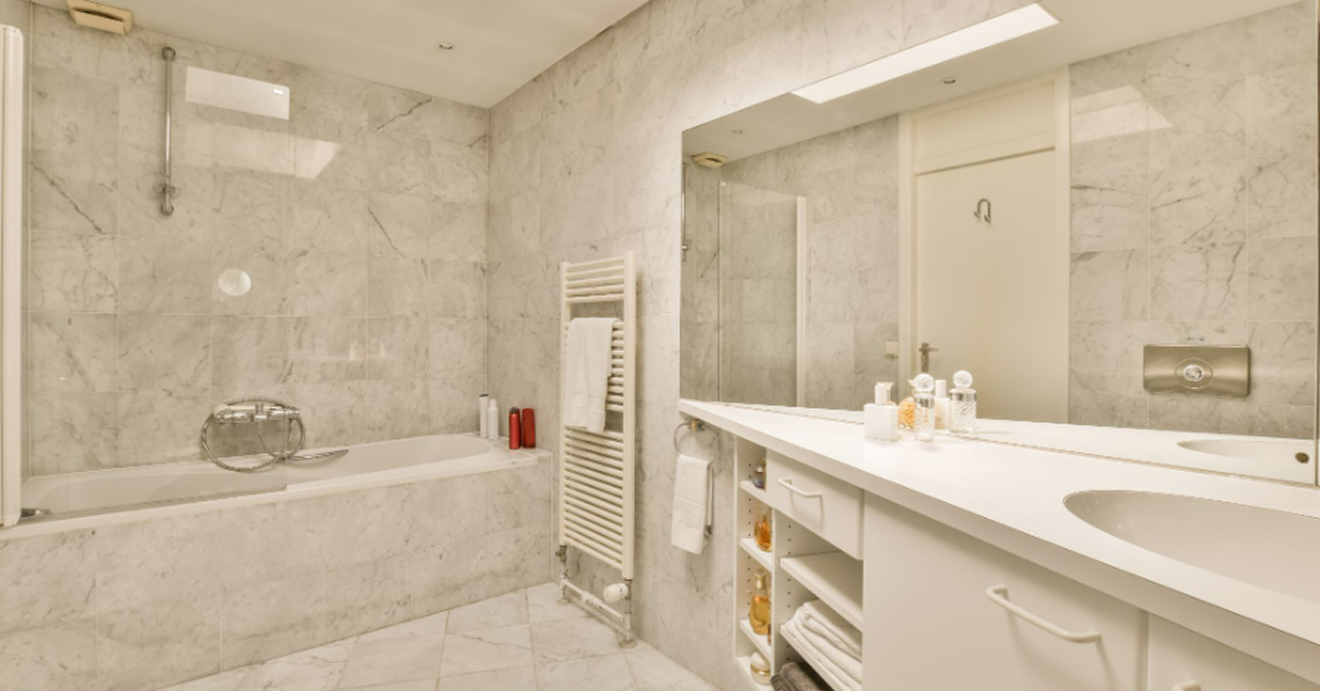
Bathrooms require a different approach to flooring from the rest of the home. Non-slip, water-resistant surfaces are essential rather than optional. Tiles remain the most common choice for Malaysian bathrooms, but if you are looking to extend a consistent material from an adjacent area, ensure whatever you choose has a proper slip-resistance rating for wet conditions.
Install proper storage from day one rather than leaving products on the floor or around the basin. A simple cabinet or shelf keeps the space tidy and makes cleaning significantly easier.
Good lighting in the bathroom is practical rather than decorative. The area around the basin especially benefits from clear, direct light.
Non-slip bath mats add an additional layer of safety, particularly in Malaysia, where bathroom floors stay wet for longer in humid conditions.
The Order That Saves You Money
One of the most practical pieces of advice for first-time homeowners is to always complete your surfaces before you furnish.
The right sequence is paint first, wall treatments next, then flooring, then furniture. Each decision informs the next, and each stage is easier to execute cleanly when the previous one is complete.
Choosing furniture before your flooring and wall treatments are finalised leads to mismatched tones, difficult installation workarounds, and furniture that needs to be moved multiple times. More significantly, it makes it harder to make cohesive decisions because you are building on an incomplete picture.
For flooring throughout the main living areas, SPC in a timber-look finish is worth serious consideration for its durability, humidity resistance, and the warm aesthetic that works across most interior styles. For wet areas, vinyl offers similar practical benefits with added water resistance. For walls, fluted panels in the living room and wainscoting in the bedroom are two of the more impactful surface upgrades available without requiring major renovation.
Once your floors and walls are set, selecting furniture becomes much easier since you have a solid base to work with. Visiting a trusted furniture showroom like Kinsen Home at this stage is ideal for picking out bedroom and living room pieces. Having your furniture decided after the flooring has been finished or decided makes for a far more satisfying end result.
A Few Things Worth Knowing Before You Start
Measure everything twice before buying. Furniture dimensions on a product page can be deceptive without the context of your actual room. Tape out the footprint on the floor before committing to a large piece.
Buy the essentials first and live in the space for a few weeks before filling it. What you think you need before moving in and what you actually need after living there are often quite different. Resist the urge to furnish everything at once.
Keep receipts and warranties for everything. Appliances, furniture, and flooring products all come with warranty periods that are worth tracking, particularly in the first year of ownership.
Conclusion
Setting up a first home takes time, and the decisions pile up quickly. But approaching it room by room, in the right sequence, makes the process considerably more manageable with better results.
Start with your surfaces. Get the walls treated, the flooring laid, and the foundation right before a single piece of furniture comes through the door. The homes that come together well are rarely the ones with the biggest budgets, but they are the ones where each decision was made in the right order, with a clear picture of how everything relates to what comes next.
If you are ready to start setting up your new home, reach out to us today and let us provide the right flooring and wall paneling solutions for you.


 WhatsApp Us