
What is Vinyl Flooring? A Full Guide for Malaysian Interiors
Introduction
If you've been renovation-hunting in Malaysia lately, chances are you've come across vinyl flooring more than once. It's on showroom floors and all over home design pages on Instagram. But what exactly is it, and is it actually worth choosing over tiles, laminate, or timber?
This guide breaks down what vinyl flooring is, how it's made, the different types of vinyl flooring available, and how it stacks up against alternatives like tiles and laminate. By the end, you'll know whether it's the right fit for your space and how to choose a product that will last for years to come.
What is Vinyl Flooring?
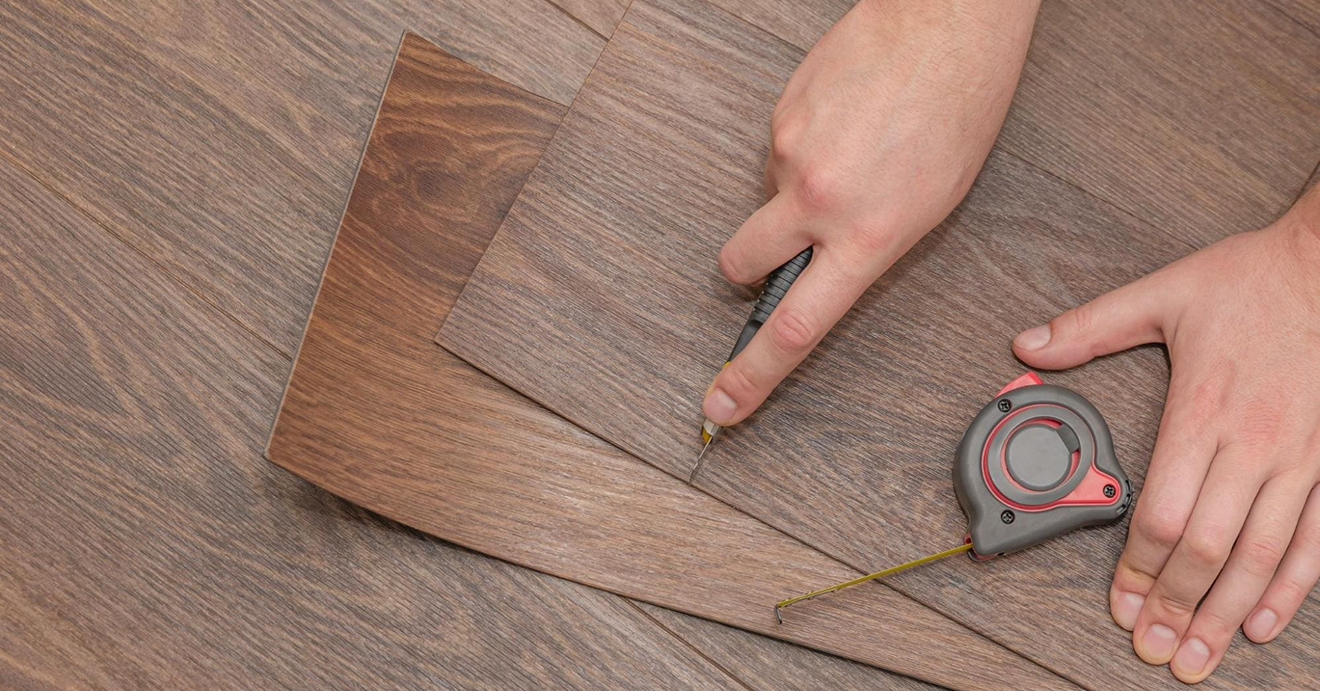
Vinyl flooring is a synthetic floor covering made primarily from polyvinyl chloride (PVC) , combined with materials such as plasticisers, stabilisers, and fibreglass to create a durable, multi-layered product. It is installed over a prepared subfloor and is available in sheets, tiles, or planks.
Modern vinyl flooring has evolved far beyond the thin PVC mats once common in older Malaysian homes. It is designed to replicate the look and texture of natural materials while providing a practical, cost-effective flooring solution. This makes it a popular choice for residential and light commercial interiors.
What are the Layers of Vinyl Flooring?
Vinyl flooring is built from several layers pressed together, each serving a specific function:
- Backing layer: Also known as the underlayment, it is often made from fibre, rubber, or foam, which gives the product stability and cushioning.
- Core layer: A dense layer that provides structural strength and dimensional stability to the flooring. Can be rigid or flexible, depending on the type of vinyl floor purchased.
- Design/print layer: A high-resolution printed film that creates the wood grain, stone, or tile pattern you see. Sometimes, this layer is also embossed to achieve certain textures.
- Wear layer: A clear, tough PVC film that protects the design layer from scratches, scuffs, and stains. Thicker wear layers generally mean better long-term durability.
- UV coating: A top finish, usually urethane-based, that adds scratch resistance and helps slow down colour fading from sunlight.
How is Vinyl Flooring Made?
Vinyl flooring is manufactured by combining multiple layers into a durable finished product.
- Material Preparation: PVC resin is blended with plasticisers, stabilisers, and fillers to create the flooring's base and core.
- Design Layer: A high-definition design is printed to replicate the appearance of natural wood, stone, or other materials.
- Layer Bonding: The backing, core, design layer, and wear layer are fused together using heat and pressure.
- UV Coating: A protective UV coating is applied to enhance scratch resistance, stain resistance, and make the surface easier to clean.
- Cutting and Finishing: The finished flooring is cut into planks, tiles, or sheets and prepared for installation.
Characteristics of Vinyl Flooring
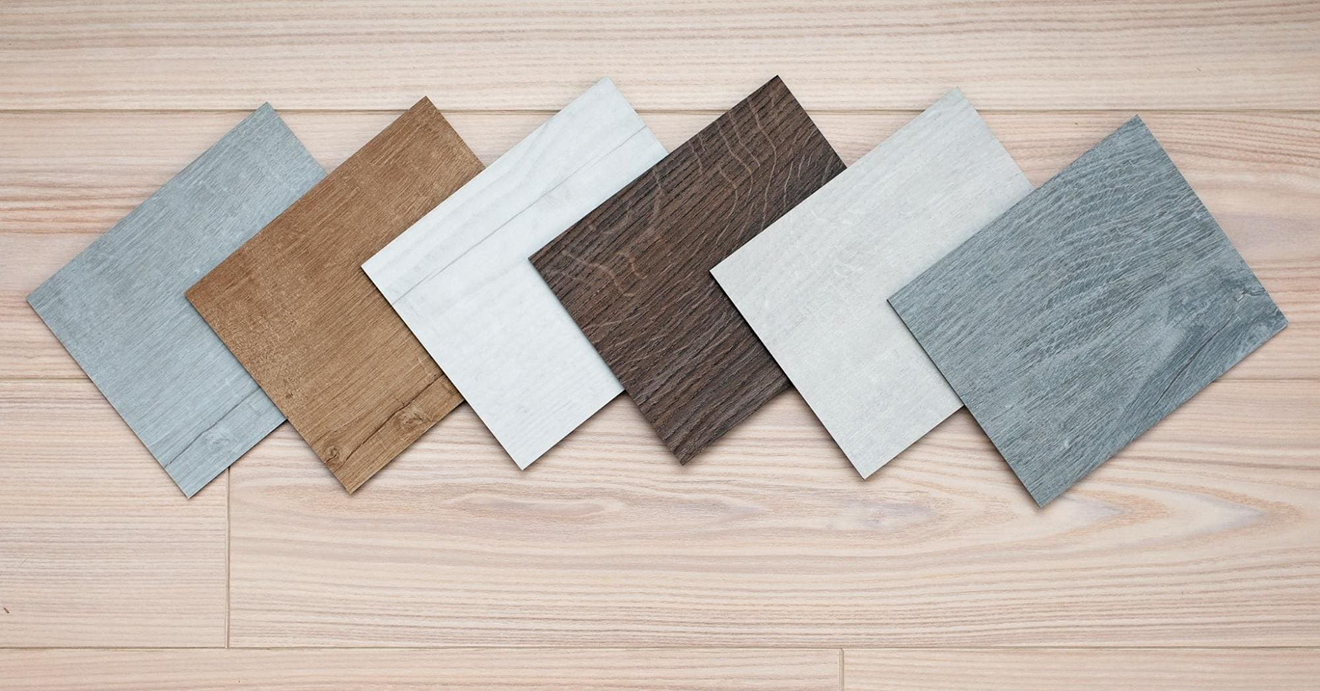
- Durability: A protective wear layer helps resist everyday scratches, stains, and wear, making vinyl flooring suitable for both residential and light commercial use.
- Low Maintenance: Routine sweeping and occasional damp mopping are usually enough to keep vinyl flooring looking clean and well-maintained.
- Water Resistance: Most vinyl flooring is highly resistant to everyday spills and moisture, making it suitable for areas such as kitchens, living rooms, and commercial spaces. However, prolonged exposure to standing water should still be avoided unless the product is specifically designed to be fully waterproof.
- Odour Resistance: When installed properly, vinyl flooring's non-porous surface does not typically absorb or retain odours, helping keep your space fresh and easy to maintain.
- Fire Resistance: Vinyl flooring offers a degree of fire resistance and can help slow the spread of flames. However, it is not completely fireproof and should not be relied upon as a fire protection material.
Types of Vinyl Flooring
1. Luxury Vinyl Tile (LVT) and Luxury Vinyl Plank (LVP)
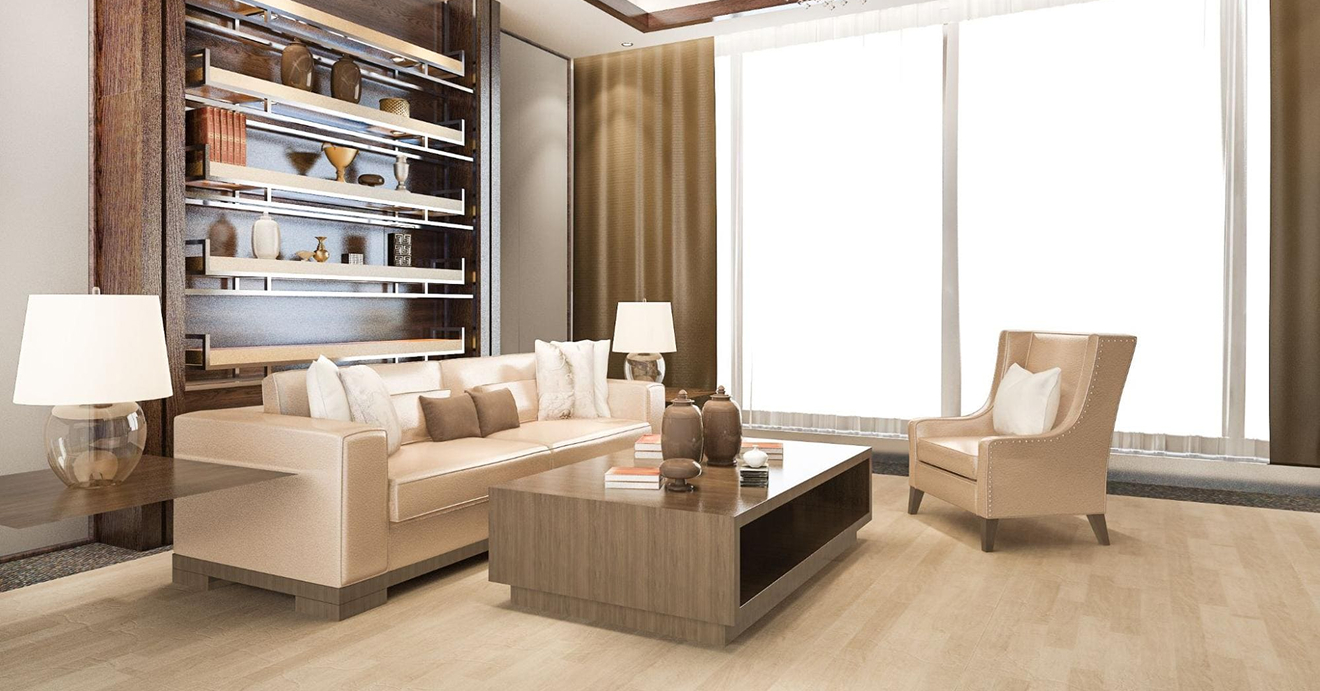
If you want the natural look of timber or stone without the higher cost and maintenance, Luxury Vinyl Tile (LVT) and Luxury Vinyl Plank (LVP) are among the most popular choices. They are designed to closely replicate natural materials while offering greater durability and everyday practicality.
- Form: Available as individual tiles (LVT) or planks (LVP).
- Characteristics: Realistic wood or stone finishes with click-lock or glue-down installation options. Individual planks or tiles can also be replaced if damaged.
- Installation Methods: Available in click-lock (floating floor) or glue-down systems, depending on the product.
- Commonly Used In: Living rooms, bedrooms, kitchens, offices, and retail spaces
- Example: Our Luxe Vinyl by Notreva collection is an example of LVT flooring that combines timeless wood grain designs with durable everyday performance.
2. Sheet Vinyl
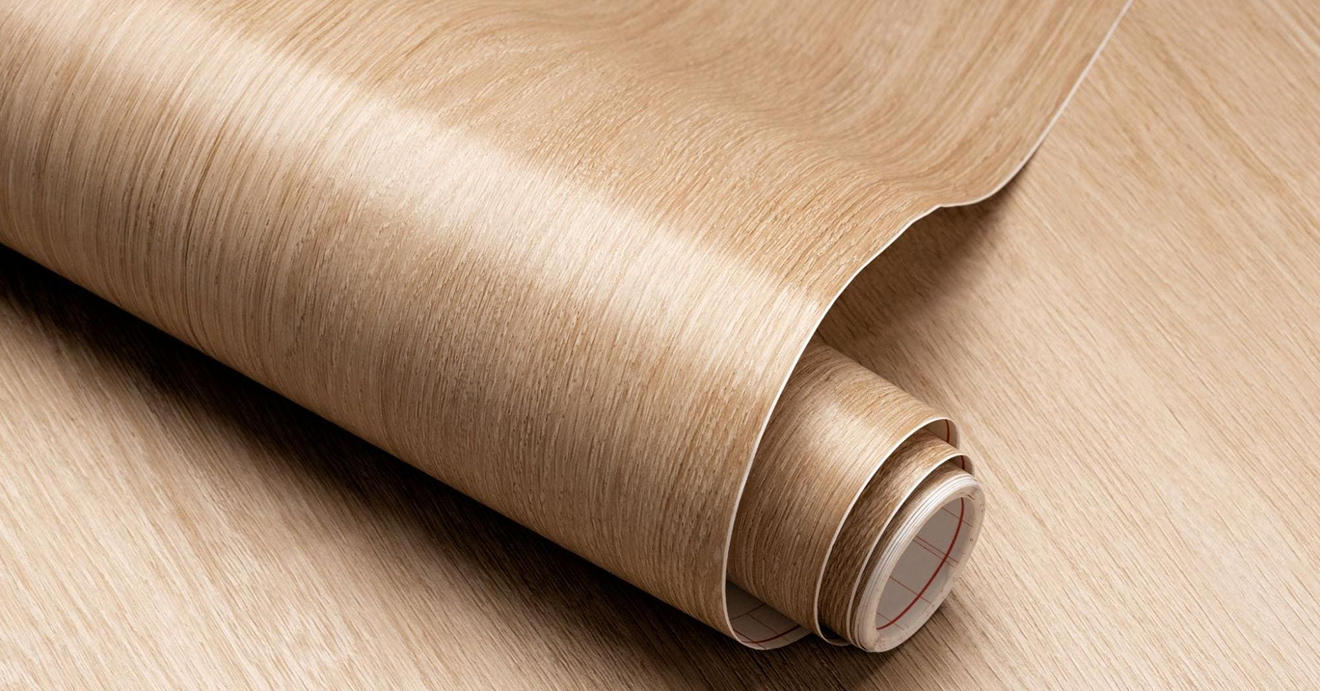
Sheet vinyl is a traditional vinyl flooring option that offers a nearly seamless finish, making it one of the most practical and affordable choices for vinyl flooring.
- Form: Supplied in large, continuous, flexible sheets, often with a fibreglass-cushioned backing.
- Characteristics: Because it has very few seams, there are fewer gaps for water to seep through, making sheet vinyl more water-resistant than many other vinyl flooring formats. Many modern products are also manufactured with low VOC and formaldehyde emissions for improved indoor air quality.
- Installation Methods: Typically installed using a full-spread adhesive to create a secure, seamless finish.
- Commonly Used In: Kitchens, laundry rooms, healthcare facilities, and other areas prone to moisture or frequent cleaning.
3. Vinyl Composite Tile (VCT)
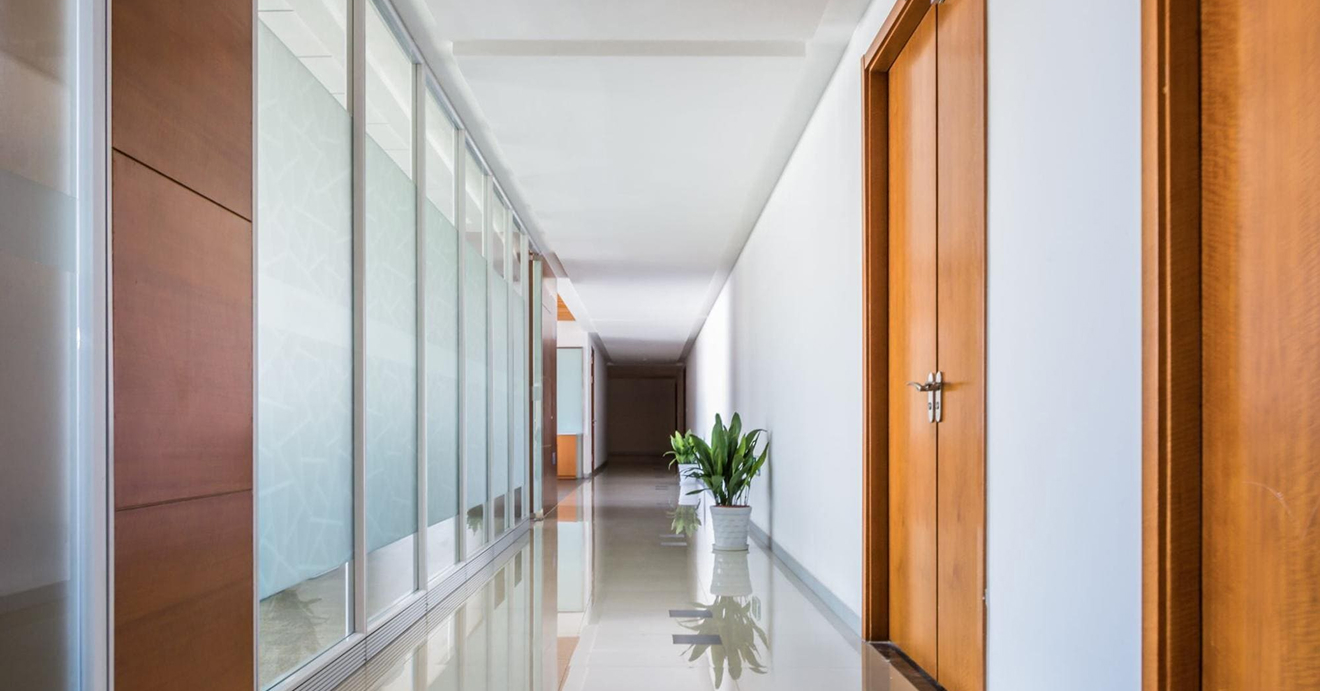
Vinyl Composite Tile (VCT) is designed for high-traffic environments where durability and long-term performance are the priority. While it requires more maintenance than other vinyl flooring options, it remains a popular choice for commercial and institutional spaces.
- Form: Available as rigid square tiles with consistent sizing for easy layout and replacement.
- Characteristics: Made by compressing PVC with limestone filler to create a hard-wearing surface. Because VCT is porous, it requires sealing and regular polishing to maintain its appearance and protect the surface.
- Installation Methods: Typically installed using adhesive over a properly prepared subfloor.
- Commonly Used In: Schools, hospitals, offices, and other high-traffic commercial buildings.
4. Stone Plastic Composite (SPC)
Stone Plastic Composite (SPC) flooring is a premium vinyl flooring option known for its rigid core and excellent durability. It performs well in areas with heavy foot traffic and changing temperatures, making it a popular choice for Malaysian homes and commercial spaces.
- Form: Available as rigid planks or tiles.
- Characteristics: Features a dense stone-plastic core that offers excellent dimensional stability, high dent resistance, and waterproof performance. However, because of its rigid construction, it performs best on a level subfloor and is less forgiving of uneven surfaces.
- Installation Methods: Commonly installed using a click-lock floating floor system.
- Commonly Used In: Living rooms, kitchens, offices, retail spaces, and other residential or commercial areas with heavy daily use.
For a more detailed comparison, read our guide on SPC vs Vinyl Flooring to learn how SPC differs from traditional vinyl flooring.
5. Peel-and-Stick Vinyl Tiles
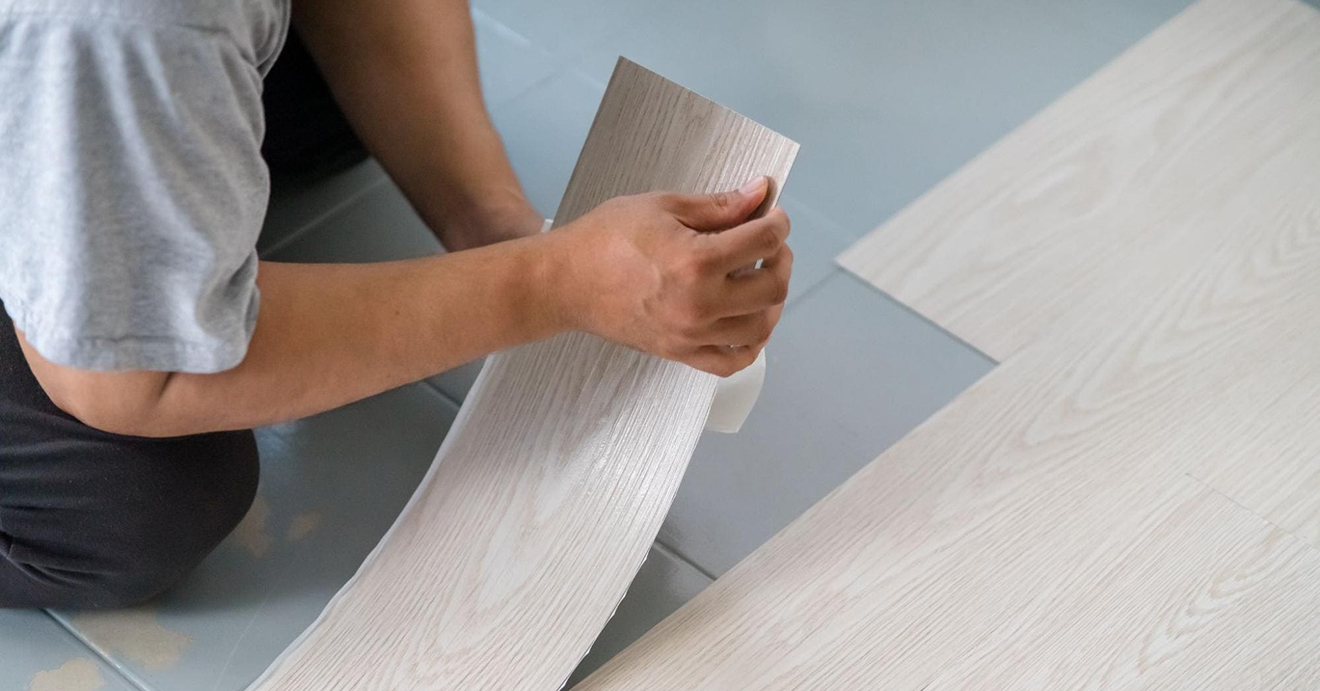
Peel-and-stick vinyl flooring is a convenient option for quick renovations and DIY projects. Its self-adhesive backing allows for fast installation with minimal tools or preparation.
- Form: Available as individual tiles or planks with a pre-applied adhesive backing.
- Characteristics: Lightweight, affordable, and easy to install, making it ideal for smaller spaces or temporary flooring updates. It generally offers lower durability than LVT or SPC flooring.
- Installation Methods: Simply peel off the backing and press the flooring onto a clean, dry, and level subfloor/floor.
- Commonly Used In: Bedrooms, home offices, rental properties, utility rooms, and other low to moderate traffic areas.
Vinyl Flooring Styles
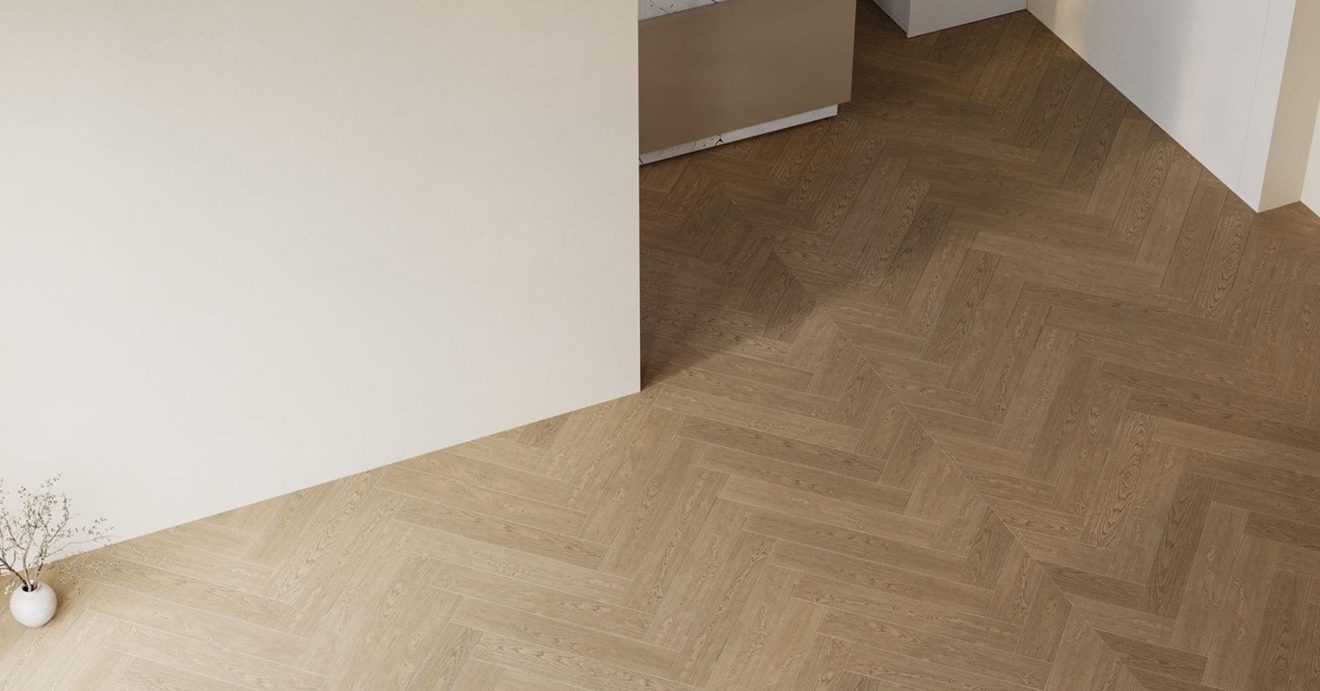
Beyond format, vinyl also comes in a wide range of visual styles:
- Wood-look planks: Realistic oak, teak, walnut, and increasingly merbau finishes that mimic Malaysian hardwood favourites without the maintenance.
- Stone and marble-look tiles: Popular for living rooms and foyers where homeowners want a marble aesthetic without the cold, hard surface or the sealing upkeep.
- Concrete and industrial finishes: Matte, grey tones suited to minimalist or loft-style interiors.
- Herringbone and chevron patterns: Plank layouts that add visual texture to an otherwise plain floor, often used as a feature in living or dining areas.
- Geometric and patterned tiles: Bolder designs for accent zones like entryways or powder rooms.
Vinyl Floor Durability
Vinyl floor durability depends heavily on the product's wear layer thickness, core type, and how well it's installed and maintained. As a general guide:
| Vinyl Type | Typical Residential Lifespan | Typical Commercial Lifespan |
|---|---|---|
| Sheet vinyl | 10–15 years | 5–10 years |
| Standard LVT/LVP | 10–20 years | 5–15 years |
| SPC/rigid core vinyl | 15–25 years | 10–20 years |
| Homogeneous (solid PVC) vinyl | 15–20+ years | Up to 20 years |
A few factors that meaningfully affect how long your vinyl floor actually lasts:
- Wear layer thickness: A thicker wear layer (measured in mm) resists scratches and scuffing for longer, which matters most in high-traffic homes with kids or pets.
- Subfloor preparation: An uneven or poorly prepped subfloor is one of the most common causes of premature bubbling, lifting, or cracking.
- UV exposure: Rooms with large windows or sliding doors see faster fading and, in some cases, adhesive breakdown from prolonged heat exposure.
- Moisture management: Standing water left on the surface for extended periods can eventually seep into seams and edges, especially on glue-down or peel-and-stick products.
- Flooring Construction: Homogeneous vinyl typically offers greater long-term durability than heterogeneous (multi-layer) vinyl because the material is consistent throughout, allowing it to better withstand heavy wear.
Advantages of Vinyl Flooring
Vinyl flooring is widely used in Malaysian homes and light commercial spaces for its many practical benefits, including:
- Comfort Underfoot: Vinyl has a softer feel than ceramic tiles or natural stone, making it more comfortable to stand or walk on for extended periods.
- Cost-Effective: It offers the look of natural wood or stone at a fraction of the cost, making it an affordable flooring solution. If replacement is ever needed, vinyl flooring is also generally less expensive to replace than other flooring materials.
- Wide Variety of Designs: Available in a range of colours, patterns, and textures, vinyl flooring can complement almost any interior style.
- Low Maintenance: Vinyl flooring requires minimal upkeep, with regular sweeping and occasional mopping usually enough to keep it looking its best.
- Easy Installation: Many vinyl flooring products are available in click-lock, glue-down, or loose-lay formats, allowing for faster and less disruptive installation compared to many traditional flooring materials.
Disadvantages of Vinyl Flooring
- Vulnerable to sharp or heavy objects: Dragging heavy furniture or dropping sharp items can puncture or gouge the surface.
- Quality varies widely: Two products both labelled "vinyl" can perform very differently depending on wear layer thickness and core quality.
- Difficult to remove once glued down: Glue-down installations can damage the subfloor during removal, which is worth considering if you might renovate again in the future.
- Not particularly eco-friendly: As a PVC-based, petroleum-derived material, vinyl flooring's production and disposal are generally less sustainable than natural materials. Look for phthalate-free products with low VOC certifications for a more environmentally conscious choice.
- Potential VOC emissions: Some vinyl products and adhesives may release volatile organic compounds (VOCs) through off-gassing, particularly when newly installed. This can be minimised by choosing low VOC-certified products and ensuring the space is well ventilated during and after installation.
- Limited resale value impact: Vinyl generally doesn't add the same perceived value to a property as timber or natural stone flooring might.
How to Install Vinyl Flooring
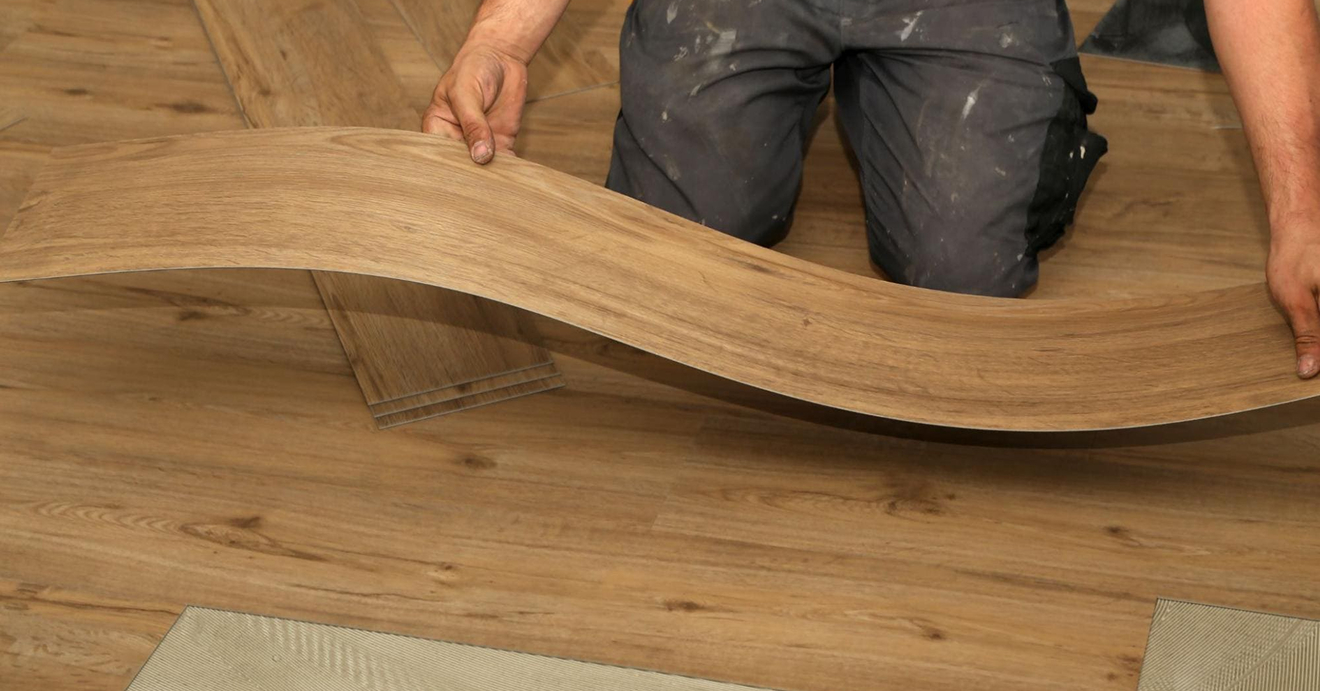
The installation process varies depending on the type of vinyl flooring, but these are the key steps for achieving the best long-term performance:
1. Prepare the Subfloor
Ensure the surface is clean, dry, smooth, and level before installation. Eliminate any high and low spots, as uneven subfloors caused by foundation settling can lead to poor installation and premature wear.
2. Check Moisture Protection
Where required, install an appropriate moisture barrier or waterproof sealing system, especially on concrete subfloors or moisture-prone areas. Even waterproof vinyl flooring performs best when the subfloor is adequately protected.
3. Acclimatise the Flooring
Before installation, leave the flooring in the room for 24 to 48 hours so it can naturally adjust to the room's temperature and humidity.
4. Choose the Right Underlayment
If your subfloor is uneven, apply a self-leveling compound before installing the underlayment. Learn more in our guide, What Is Self-Leveling Cement, before choosing the right flooring system.
A quality underlayment can improve sound insulation, provide additional moisture protection, and create a better foundation for the flooring.
5. Install the Flooring
Follow the recommended installation method, whether click-lock (floating), glue-down, or peel-and-stick. For floating floors, maintain the recommended expansion gaps to accommodate natural building movement and minor house settling.
6. Seal and Finish the Edges
Install skirting boards or transition strips and ensure edges are properly finished to minimise gaps where moisture, dust, or air can enter.
For the best results, professional installation is recommended. Working with a provider that offers end-to-end flooring services, from product selection and subfloor preparation to installation, helps ensure optimal appearance, durability, and long-term performance.
How to Clean and Maintain Vinyl Flooring
Vinyl is genuinely low-maintenance, but a few habits will extend its lifespan significantly:
- Sweep or vacuum regularly to remove grit that can scratch the surface over time.
- Mop with a damp (not soaked) cloth or mop using a neutral pH cleaner — avoid ammonia-based or abrasive cleaning products, which can dull the wear layer.
- Wipe up spills immediately, particularly around seams and edges, to prevent moisture from working its way underneath.
- Use felt pads under furniture legs to prevent indentation and scratching.
- Avoid dragging heavy or sharp objects across the floor; lift and carry instead.
- Keep curtains or blinds drawn during peak sun hours in rooms with large windows to slow down UV fading.
- Avoid steam mops on most vinyl products, as the heat and moisture can affect the adhesive layer over time.
Vinyl Flooring vs Other Flooring Materials
While vinyl flooring offers an excellent balance of performance and affordability, it's worth understanding how it compares with other flooring materials before making a decision:
| Factor | Vinyl | Laminate | Ceramic/Porcelain Tile | Solid Timber |
|---|---|---|---|---|
| Water resistance | Excellent | Poor to moderate (unless waterproof-rated) | Excellent | Poor |
| Comfort underfoot | Soft, warm | Moderate | Hard, cool | Soft, warm |
| Termite resistance | Excellent | Good | Excellent | Poor (untreated) |
| Maintenance | Low | Low | Moderate (grout cleaning) | High |
| Typical lifespan | 10–25 years | 10–20 years | 20+ years | 20–50+ years |
| Installation cost | Low to moderate | Low to moderate | Moderate to high | High |
| Best suited for | Bedrooms, living areas, kitchens, condos | Dry, air-conditioned rooms | Wet areas, high-traffic zones | Formal living areas, dry climates |
How to Choose the Best Vinyl Flooring
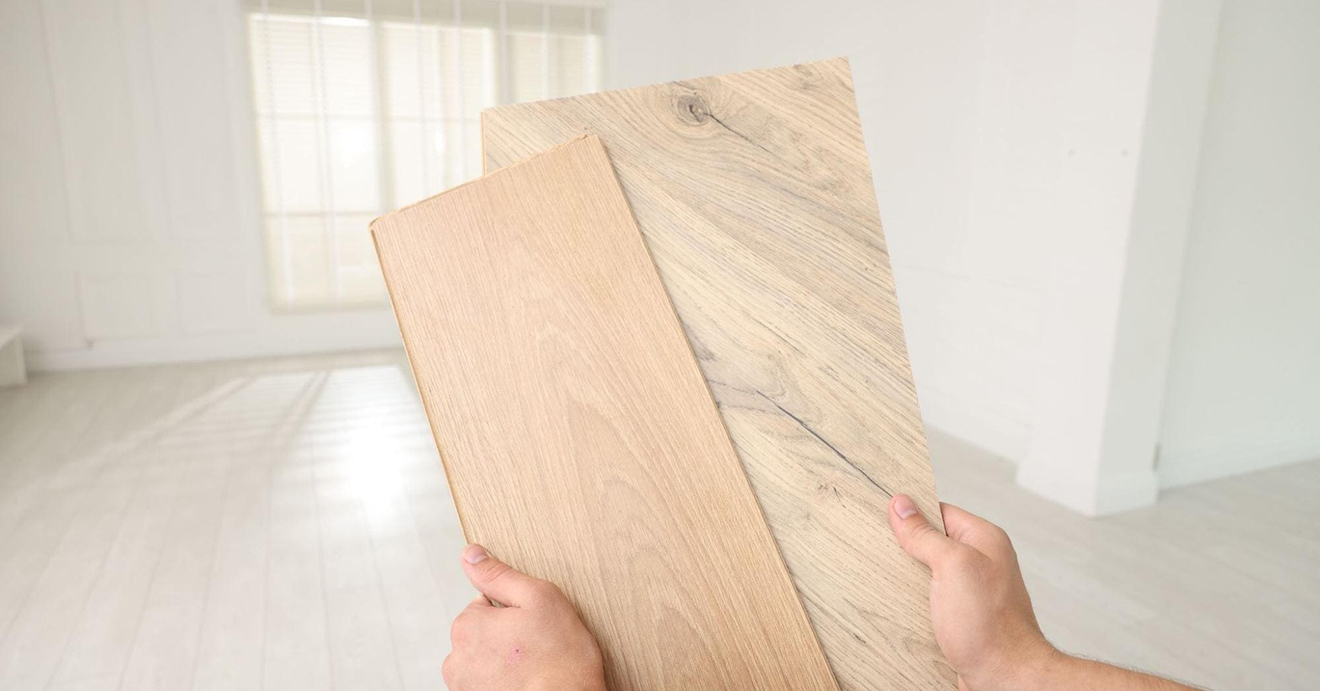
Work through these factors before committing to a product:
- Wear layer thickness: For residential use, look for at least 0.2mm; for busier households or light commercial use, 0.3mm or higher is safer.
- Core type: Standard flexible-core LVT is fine for most bedrooms and living rooms; SPC or rigid-core options are worth the extra cost for kitchens, hallways, and high-traffic zones.
- Water resistance rating: Check the product's water resistance rating to ensure it is suitable for the intended space, especially in moisture-prone areas such as kitchens and near bathrooms.
- VOC certification: Choose low-VOC or certified emissions-compliant products, especially for bedrooms and children's rooms.
- UV coating: Important for rooms with large windows or glass doors that get direct sunlight for several hours a day.
- Warranty Coverage: Review the warranty terms to understand what is covered, such as wear, staining, or structural performance, in addition to the warranty period.
- Underlayment compatibility: If sound insulation matters (common in landed homes with upstairs bedrooms or strata properties with noise regulations), check whether an acoustic underlayment is recommended or included.
Conclusion
Water-resistant, low-maintenance, cost-effective, and available in a wide range of designs, it's easy to see why vinyl flooring remains one of the most popular flooring choices for homes and commercial spaces across Malaysia. Choosing the right type of vinyl flooring, combined with proper installation, will help ensure lasting performance and years of everyday use.
Looking for a premium flooring supplier in Malaysia and Singapore? Averton combines quality materials with expert craftsmanship to deliver exceptional results. From helping you choose the right flooring to professional installation and after-sales support, our end-to-end flooring solutions are tailored to your project's needs. Contact us today to get started.
Frequently Asked Questions
1. What should you consider before choosing vinyl flooring?
Consider where the flooring will be installed, the amount of foot traffic, and the room's exposure to moisture and sunlight. It's also important to choose the right installation method and wear layer thickness to suit your space and lifestyle.
2. Is PVC flooring the same as vinyl flooring?
Yes. Vinyl flooring is made from PVC (polyvinyl chloride), so the terms are often used interchangeably. However, "vinyl flooring" typically refers to a wider range of products, including LVT, LVP, SPC, and sheet vinyl.
3. What is the difference between vinyl flooring and laminate flooring?
The main difference is moisture resistance. Vinyl flooring is made from PVC and is highly water-resistant, while laminate contains a wood-based core that can swell if exposed to excessive moisture. Vinyl also tends to feel softer underfoot.
4. Should you choose vinyl flooring or tile flooring?
Vinyl flooring is typically more comfortable underfoot, quicker to install, and more affordable. Tile offers excellent long-term durability and is suitable for wet areas, but generally costs more to install and maintain.
5. Is vinyl flooring safe for homes and businesses?
Yes, provided you choose a reputable product. Many modern vinyl flooring products are phthalate-free and certified for low VOC emissions, helping support healthier indoor air quality.
6. Can you place heavy appliances like refrigerators on vinyl flooring?
Yes. Most residential vinyl flooring can support heavy appliances, but it's best to lift rather than drag them to avoid scratching or denting the surface.
7. How much weight can vinyl flooring support?
This depends on the flooring type, thickness, and subfloor. Most residential vinyl flooring easily supports everyday furniture and appliances, while commercial-grade products are designed for heavier loads.
8. Can moisture or mould develop beneath vinyl flooring?
Properly installed vinyl flooring is highly resistant to moisture. However, trapped moisture beneath the flooring can lead to mould over time, making proper subfloor preparation and installation essential.
9. Is vinyl flooring expensive to replace?
Vinyl flooring is generally more affordable to replace than timber or tile. Floating click-lock products are also easier to remove and replace than glue-down flooring.


 WhatsApp Us